The Mechanics of Reuse
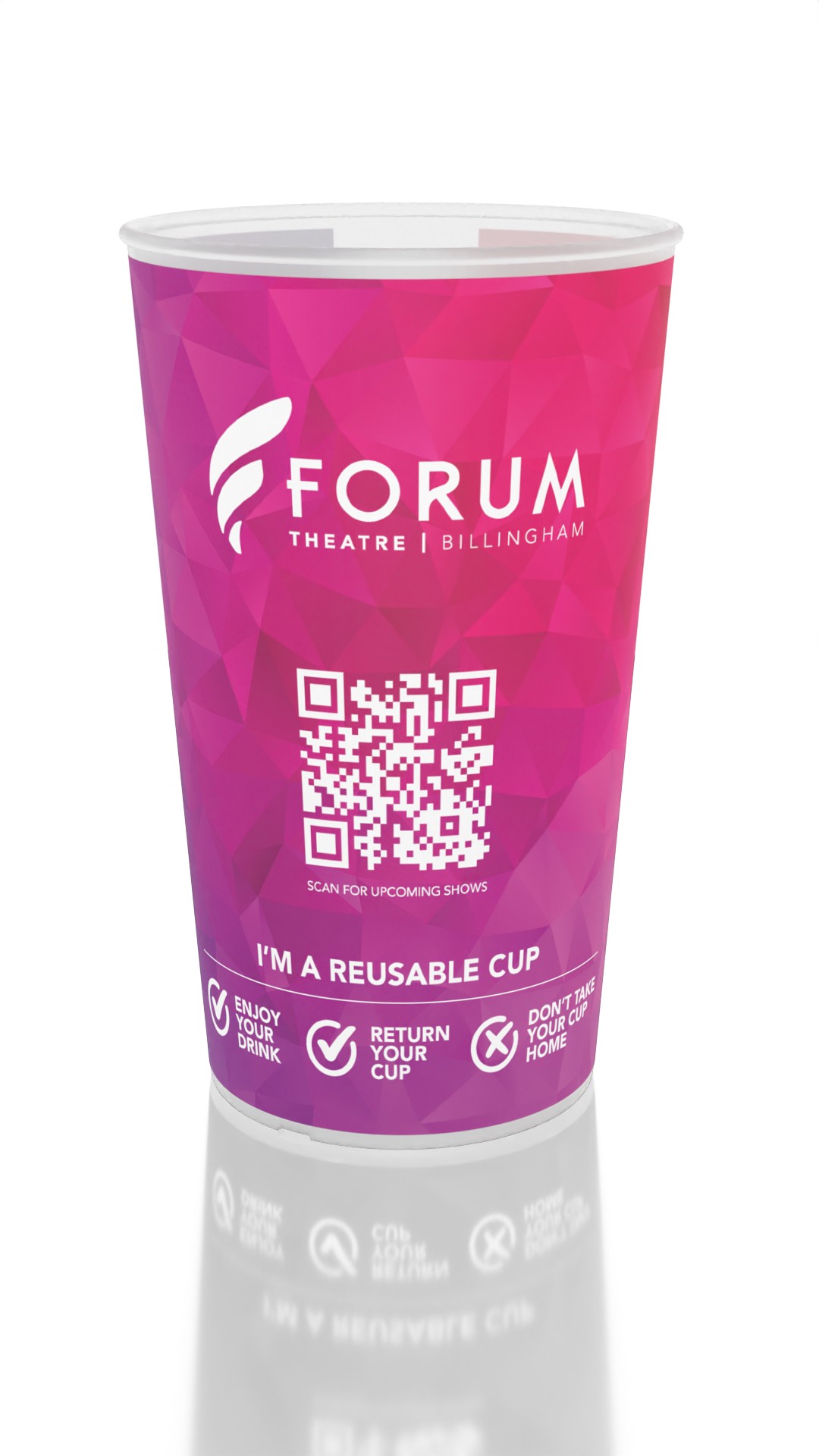
The shift from disposable to reusable cups is one of the most significant operational changes in the UK events sector over the last decade. While the environmental benefits are well-documented, the operational implementation requires careful planning. A Deposit Return Scheme (DRS) is the industry-standard method for ensuring cups are returned, washed, and recirculated.
Choosing Your Operational Model
There are several ways to structure a scheme. The right choice depends on your venue type, audience demographic, and bar infrastructure.
| Model | Mechanism | Best Application | Considerations |
|---|---|---|---|
| Deposit Return | Charge £2. Refund £2 on return. | Closed-loop festivals, Stadiums. | Requires cash/card float for refunds. |
| Levy / Sale | Charge £2. Customer keeps cup. | Weddings, Brand Activations, One-off gigs. | Higher cup loss rate (souvenirs). |
| Token Exchange | Buy token, swap for cup. | Regular season venues (Sport). | Reduces cash handling at peak times. |
Step-by-Step Implementation
1. Establishing the Deposit Value
The deposit amount acts as a behavioral incentive. It must be high enough to prevent the cup being treated as waste, but accessible enough not to deter sales. Industry data suggests a price point between £1.50 and £2.50 is effective in the UK market. This value typically covers the manufacturing and potential washing costs, mitigating financial risk if the cup is not returned.
2. The Logistics of Exchange
Speed of service is paramount. Bartenders should never refill a used cup for hygiene reasons. The standard protocol is a 'Swap System':
- Customer approaches bar with used cup.
- Bartender takes used cup and places it in a 'dirty' bin.
- Bartender serves fresh drink in a clean cup.
- No new deposit is charged.
This ensures the bar moves quickly and hygiene standards remain high.
3. Managing 'Breakage' Revenue
'Breakage' refers to cups that leave the site with attendees. In a deposit model, these unreturned cups represent retained deposits. This revenue can be significant and is often used by organisers to offset the initial procurement costs or to fund other sustainability initiatives on site.